How Can Children Collect Plants Without Harming Habitats?
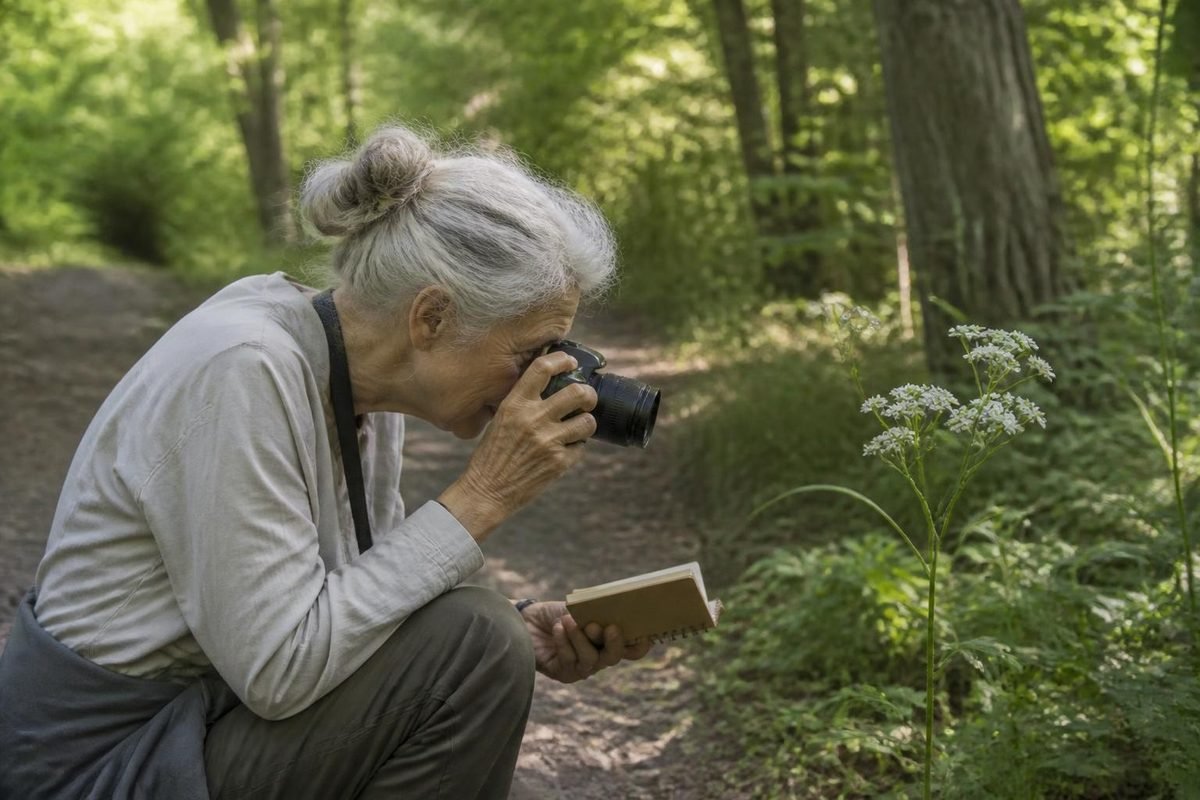
Children can learn plant collecting without damaging habitats by collecting photographs, drawings, and notes instead of living plants. You can also teach them to look for fallen material where collecting is allowed, while leaving roots, flowers, and seeds in place.
Start with a collection of observations
A collection does not need to fit inside a box. Give your child a notebook and invite them to draw a leaf, record its color, or describe where a plant is growing. A photograph can show details that are hard to remember, such as the shape of a stem or the way leaves grow along it.
Let your child choose what to notice. One page might hold a sketch of a fern and another a close look at moss on a fallen log. Add the date and a general location, then compare the pages after another visit.
Teach a few simple ground rules
Before you head out, talk about how plants support the places where they grow. Flowers can provide food for insects, seeds can feed wildlife, and leaves offer shelter to small creatures. Even a plant that looks common may have a role in its surroundings.
- Stay on paths where paths are provided.
- Look closely without pulling, digging, or trampling plants.
- Leave flowers, seeds, roots, and living leaves where they are.
- Ask permission and check local rules before taking any natural material.
- Leave unfamiliar fungi and berries untouched.
Keep the rules calm and clear. If your child reaches for a flower, you can suggest smelling it where it grows or drawing it instead.
Make use of fallen material
A fallen leaf can be useful for learning about shape and texture. If local rules and the landowner permit collecting, take only a small amount from a place where there is plenty, and avoid disturbing the soil or leaf litter around it. Fallen material is part of a habitat too, so leaving it in place is often the better choice.
At home, your child can place a leaf between sheets of paper under a heavy book. Once it is dry, add it to a notebook with a drawing and a note about where it was found. Wash hands after handling outdoor material.
Practice with plants grown at home
A garden, balcony pot, or windowsill can give children a place to handle plants more freely. Grow a few plants from seed and let your child observe how the leaves change as they develop. If you decide to trim a plant you own, a cutting gives them a chance to examine a stem up close.
You can press a leaf or make a rubbing by placing paper over it and gently shading with a crayon. Talk about the difference between taking a leaf from a plant you are caring for and removing one from a wild habitat.
Keep learning after the walk
Look through the collection together and notice patterns. Are some leaves smooth while others have toothed edges? Do the same plants appear in sunny and shady spots? A field guide or a local nature center can help you identify some finds, but it is fine to leave a name blank until you are sure.
Over time, your child can build a record of what they have seen without needing to own the plants themselves. That habit makes room for curiosity and leaves the habitat for others to enjoy.
See also: flowers to Europe guide